Shockwave Therapy for Tendonitis: A Natural Healing Approach


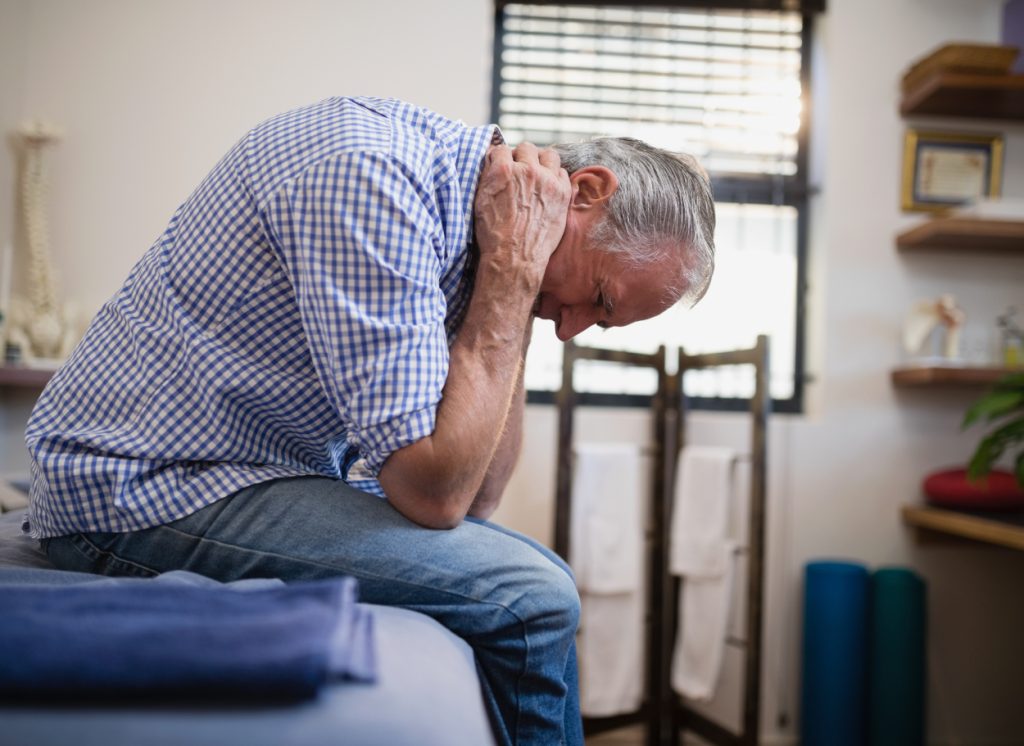
Tendonitis has a way of sneaking into ordinary life and then taking it over. It starts as stiffness in the morning, a twinge when you reach overhead, or a nagging ache after a run. Then it begins shaping choices. You stop lifting the grocery bag with one arm. You avoid stairs after a long day. You shift how you sleep because rolling onto one shoulder wakes you up.
For many people, the real frustration is not just pain. It is the stop and start cycle. Rest helps a little, then activity brings symptoms back. Anti-inflammatory medication may dull the ache, but the tissue still feels unreliable. Exercises can help, but progress is often slower than expected. That is where Shockwave Therapy enters the conversation, not as a miracle fix, but as a treatment that can stimulate healing in stubborn tendon problems.
In clinical practice, tendon pain is one of the most common reasons people seek conservative care. Runners come in with Achilles pain that has lingered for months. Office workers describe elbow symptoms that make typing and gripping difficult. Recreational tennis players talk about pain on the outside of the elbow that flares every weekend. New parents mention wrist pain from lifting a child. The pattern is familiar. The tendon has been overloaded, healing has stalled, and the tissue needs more than simple rest.
Shockwave Therapy has gained attention because it offers a non-surgical, medication-free approach for this exact situation. Used thoughtfully, and paired with the right rehabilitation plan, it can be a valuable tool.
Why tendonitis is often harder to treat than people expect
The word tendonitis suggests inflammation, but many long-lasting tendon problems involve more than simple inflammation. In short-term cases, there may be an inflammatory response. In persistent cases, the tendon often shows signs of degeneration, disorganized collagen, reduced load tolerance, and poor tissue quality. That matters because treatments aimed only at calming inflammation may not fully address the underlying problem.
Tendons also have a limited blood supply compared with muscle. That means healing can be slow. A calf strain may improve over weeks, while an Achilles tendon issue can drag on for months. Add in repetitive stress, poor mechanics, sudden training changes, or weak supporting muscles, and recovery becomes even more complicated.
This is why people sometimes feel they are doing everything right and still not improving. They are icing, stretching, resting, and taking a break from the aggravating activity, but the tendon remains sensitive. In many of these cases, the treatment plan has to shift from symptom management to tissue remodeling and gradual load restoration.
What Shockwave Therapy actually is
Shockwave Therapy uses acoustic pressure waves delivered to injured tissue through a handheld device. The goal is to stimulate a biological response in areas where healing has slowed or stalled. There are different forms, most commonly focused shockwave and radial shockwave. Both are used in musculoskeletal care, though the way the energy is delivered differs.
Patients are often surprised by what the treatment feels like. It is not an electric shock. It is a series of rapid pulses, somewhat like tapping or snapping against the skin. Sensitive areas can be uncomfortable during treatment, especially when the tendon is quite irritable, but the sessions are usually brief. In many clinics, a treatment lasts somewhere between 5 and 15 minutes depending on the area and protocol.
The term "natural healing approach" fits because Shockwave Therapy does not add medication to the body and does not involve surgery. Instead, it aims to provoke a healing response from the tissue itself. That distinction matters. The treatment is designed to nudge the body into doing work it has struggled to complete on its own.
How it may help a damaged tendon heal
Researchers continue to study the exact mechanisms, but several effects appear to explain why Shockwave Therapy can help chronic tendon conditions.
It may increase local blood flow, which is important in tissue with limited circulation. It can stimulate cellular activity involved in tendon repair. It appears to promote the remodeling of disorganized tissue and may influence pain signaling as well. Some clinicians also see a practical effect that matters just as much as any laboratory mechanism: after a series of sessions, the tendon often becomes more tolerant to rehabilitation exercises, which are essential for durable recovery.
That last point is easy to overlook. A tendon rarely gets better from passive treatment alone. Shockwave Therapy can reduce pain and improve the tendon environment, but lasting improvement usually depends on what comes next. Tendons need progressive loading. They need strength. They need capacity to handle daily life and sport. When Shockwave Therapy is used in isolation, results are often less impressive than when it is integrated into a complete plan.
The tendon problems where Shockwave Therapy is commonly used
Not every painful tendon needs shockwave treatment. It tends to be considered when symptoms have lasted for weeks or months, especially after basic care has failed to produce enough change.
Common examples include plantar heel pain related to the plantar fascia, Achilles tendinopathy, patellar tendinopathy, tennis elbow, golfer's elbow, calcific shoulder tendinopathy, and certain gluteal tendon problems around the hip. Rotator cuff-related tendon pain can also be a fit in selected cases, particularly when calcification is involved.
Some of the clearest success stories come from people with chronic, load-related pain who have already tried rest, stretching, or short courses of medication with little lasting benefit. A runner with six months of mid-portion Achilles pain is a classic example. So is a carpenter with persistent lateral elbow pain who cannot grip tools without symptoms.
The key word is chronic. Shockwave Therapy is not usually the first move for a tendon that became sore three days ago after a hard weekend project. Early overload often responds to activity modification, measured exercise, and time. It is the stubborn cases that tend to justify this intervention.
What a course of treatment usually looks like
Most protocols involve several sessions rather than a single visit. In real-world practice, many patients receive three to six treatments spaced about a week apart, though this varies by diagnosis, equipment, and clinician preference. The energy settings are not one-size-fits-all. A practitioner adjusts the dosage based on the body part, the chronicity of symptoms, the specific condition being treated, and the patient's tolerance.
One misconception is that you should feel dramatically better right away. Occasionally that happens, but it is not the norm. Some people feel sore for a day or two after a session. Others notice a gradual shift over several weeks. Tendon healing rarely follows a straight line. A common pattern is mild post-treatment soreness, then small functional gains, then https://angelovrcb194.quantlynix.com/posts/shockwave-therapy-for-knee-pain-is-it-worth-trying more noticeable improvement after the second or third session, especially once strengthening is underway.
A patient with tennis elbow may first notice that opening jars hurts less. Someone with patellar tendinopathy may realize stairs feel easier before jumping improves. An Achilles patient often reports that the first few steps in the morning become less stiff. These are subtle but meaningful signs that the tissue is becoming less reactive.
Who tends to respond best
Results are best when patient selection is good. The people most likely to benefit are often those with a clear tendon diagnosis, symptoms that have lasted long enough to suggest impaired healing, and a willingness to combine treatment with proper loading and rehabilitation.
Here are the situations where Shockwave Therapy often makes the most sense:
- Symptoms have persisted for at least several weeks, often months, despite reasonable self-care.
- The diagnosis points to a tendon or fascia problem rather than a nerve issue, fracture, or joint-driven pain.
- The painful area is aggravated by load, such as gripping, jumping, climbing stairs, or running.
- The person wants to avoid injections or surgery if possible.
- There is a plan to pair treatment with strengthening, activity modification, and gradual return to sport or work.
That last factor deserves emphasis. People looking for a passive fix often end up disappointed. Tendons adapt to load. If the surrounding program is missing, the potential of Shockwave Therapy is limited.
Where judgment matters more than the machine
A skilled assessment matters as much as the device. Tendon pain is common, but it is not always simple. Heel pain might be plantar fascia irritation, but it could also be a fat pad problem, a nerve irritation, or a stress reaction. Lateral elbow pain often is tennis elbow, but pain in that area can also come from the neck or radial tunnel. Shoulder pain has an especially broad differential.
This is where clinical judgment makes a real difference. A practitioner should examine movement, strength, irritability, training history, occupational load, and symptom behavior. Imaging may help in select cases, but it should not drive the entire decision. Many tendons show structural changes on ultrasound or MRI even when they are not painful. Symptoms, function, and physical findings still matter most.
In practice, some patients are told they have "tendonitis" when the real issue is poor load management or weakness upstream. Their Achilles hurts because the calf is underprepared for the mileage they are asking it to handle. Their shoulder is painful because the scapular stabilizers are not doing their job. Treating the sore tendon without addressing those forces is like repainting a wall without fixing the leak behind it.
The role of exercise, and why it cannot be skipped
The best outcomes usually come from combining Shockwave Therapy with progressive exercise. For tendons, that often means a sequence that starts with pain-calming isometrics, then moves into heavy slow resistance, and later adds sport-specific or work-specific loading. The exact plan depends on the tendon involved.
For an Achilles tendon, calf raises become central, first on two legs, then one, then loaded. For patellar tendon pain, squat-based loading and eccentric or heavy slow quadriceps strengthening are common. For elbow tendons, wrist extensor or flexor strengthening, grip work, and shoulder support exercises often help. The details vary, but the principle is consistent: the tendon must be challenged enough to adapt, without being pushed so hard that it flares badly.
This is where many recoveries are won or lost. People often want a simple rule such as "rest until it stops hurting." That sounds sensible, but tendons usually prefer a smarter dose of activity rather than complete shutdown. Too much rest can reduce capacity further. Too much loading keeps the tissue irritated. The sweet spot is measured progression.
I have seen patients improve significantly once they understand that mild discomfort during rehab is not always a setback. If pain stays within a tolerable range and settles within a reasonable window, often by the next day, the tendon is frequently capable of adapting. That kind of guidance can be more valuable than any single modality.
What the research suggests, with realistic expectations
The evidence for Shockwave Therapy is strongest in some conditions more than others. Chronic plantar heel pain and certain cases of calcific shoulder tendinopathy have a fairly solid body of support. Achilles and patellar tendinopathy also show promising results, especially in chronic cases. Lateral elbow pain can respond well too, though outcomes vary.
The important nuance is that research on tendon care is messy. Protocols differ. Machines differ. Dosages differ. Patient populations differ. One trial may include elite athletes with six months of symptoms, while another includes mixed patients with broader diagnoses. That is why broad claims should be treated carefully.
A fair, experience-based expectation is not instant cure. It is gradual improvement in pain and function over several weeks to a few months, especially when combined with a targeted loading program. Some patients do very well. Some improve moderately. A smaller group does not respond much. Any clinician promising perfect results is overreaching.
Sensations, side effects, and aftercare
Most people tolerate treatment well, but it is not entirely comfortable. Sensitive tendons can be sore during the application itself. The discomfort is usually brief and localized. Afterward, temporary redness, aching, or a bruised feeling can occur. Significant complications are uncommon when the treatment is used appropriately, but proper screening matters.
It is also worth noting what is usually not recommended around the treatment window. Many clinicians prefer to avoid masking the response with anti-inflammatory medication unless there is a strong reason. That is because part of the goal is to stimulate a biological healing process. The specifics should come from the treating provider, but this is one example of how the plan should be individualized.
Patients often ask whether they can keep exercising during treatment. Usually yes, but the type and volume of activity may need adjustment. A runner with Achilles pain may pause speed work and hills while continuing controlled strengthening and reduced mileage. A tennis player with elbow pain may temporarily reduce play while working on grip and forearm load tolerance. The aim is not bed rest. The aim is strategic loading.
When Shockwave Therapy may not be appropriate
Like any treatment, it has limits. It should not be used indiscriminately on every painful area. Good clinics screen carefully for contraindications and for conditions that need a different route of care.
Situations that often call for caution or avoidance include:
- Pregnancy, depending on the treatment region and clinic policy.
- Bleeding disorders or use of certain anticoagulant medications.
- Local tumors, active infection, or open wounds in the treatment area.
- Certain acute injuries where another diagnosis, such as tendon rupture or fracture, is possible.
- Poorly defined pain patterns that suggest the source is not actually the tendon.
This is another reason a proper evaluation matters. Achilles tendinopathy and a partial Achilles tear are not the same problem. Neither are rotator cuff tendinopathy and a frozen shoulder. The machine cannot make those distinctions. The clinician must.
Cost, convenience, and the practical trade-offs
One reason people ask about Shockwave Therapy is that it sits in an attractive middle ground. It is less invasive than surgery and does not carry the same tissue risks as repeated steroid injections, which can weaken some tendons over time. On the other hand, it is not always covered by insurance, and it often requires a series of visits. For some patients, that out-of-pocket cost becomes part of the decision.
There is also a time trade-off. Treatment sessions themselves are short, but recovery still asks for follow-through at home. You may need to change training, keep a simple symptom log, and stay consistent with strengthening for weeks. In other words, it can save time compared with prolonged trial-and-error, but it is not a shortcut around rehabilitation.
For active people, the biggest advantage is often that they can keep some level of training instead of shutting everything down. That has physical and psychological benefits. A runner who can cross-train and keep a modified strength program while recovering is often in a better position than someone told simply to stop for two months.
A closer look at common tendon complaints
Achilles tendinopathy often presents as stiffness with the first steps in the morning, then pain during or after running. Mid-portion Achilles cases usually respond better than insertional cases, which can be more stubborn and more sensitive to compression. Shockwave Therapy can be useful here, but exercise selection has to respect the location. Someone with insertional pain often cannot tolerate the same heel-drop strategy used for mid-portion symptoms.
Patellar tendinopathy, common in jumping sports, can be equally frustrating. Athletes describe pain below the kneecap during jumping, landing, squatting, or deceleration. If symptoms have been present for a season or longer, shockwave may help reduce reactivity, but the real backbone of treatment remains careful quadriceps and kinetic chain loading.
Tennis elbow is another classic use case. The pain is usually felt over the outer elbow and worsens with gripping, lifting, or wrist extension. This condition is not limited to racquet sports. Plumbers, mechanics, hairdressers, and office workers can all develop it. In persistent cases, Shockwave Therapy often helps when paired with forearm strengthening and grip modification.
Plantar heel pain deserves mention because many patients first hear about shockwave from this diagnosis. That sharp, bruise-like pain under the heel, especially with the first steps in the morning, can linger for months. Footwear, calf tightness, body weight, training load, and standing time all matter. Shockwave can be helpful, but so can a surprising amount of small practical adjustments, including shoe changes, relative rest from impact, and structured calf work.
What to ask before starting treatment
Not all shockwave services are equal. The questions you ask can tell you a lot. You want to know what diagnosis is being treated, why shockwave is being recommended, what type of machine is being used, how many sessions are expected, and what rehabilitation plan will accompany it.
A good provider should be able to explain why your presentation fits the treatment and what signs will be used to judge progress. They should also be comfortable saying when shockwave is not the right answer. That honesty is often a sign of better care.
If the discussion focuses only on the machine and not on your strength, workload, movement habits, or return-to-activity plan, that is a red flag. Tendon recovery is rarely that simple.
The bigger picture in tendon recovery
People are often drawn to the phrase natural healing approach because they want something that works with the body instead of overriding it. That is a reasonable instinct. Shockwave Therapy fits that preference better than many alternatives, but it works best when seen as one part of a broader recovery process.
The body still needs the raw ingredients for healing. Sleep matters. Protein intake matters. Total training load matters. Footwear matters if the problem is in the lower limb. Ergonomics matter if the issue is around the elbow or shoulder. Stress even matters, because people in pain tend to move differently, sleep worse, and tolerate training less well.
A tendon that has been irritated for six or nine months is rarely asking for one magic input. It is asking for the right combination of decreased aggravation, better tissue stimulus, improved capacity, and enough time for those changes to take hold. Shockwave Therapy can be an excellent catalyst in that process. It just should not be mistaken for the entire process.
For the right patient, though, it can change the trajectory. It can turn a stalled recovery into steady progress. It can reduce enough pain to let strengthening begin. It can help someone move from constant symptom management to actual rebuilding. And for many people living with chronic tendon pain, that shift is the difference between merely coping and finally getting better.
Injury Recovery Center
Address: 14241 E 4th Ave Building 5, Ste. 5-354, Aurora, CO 80011
Phone number: +17203289033
FAQ About Shockwave Therapy
What does shockwave therapy actually do?
Shockwave therapy delivers high-energy acoustic sound waves through the skin to an injured area. This process "wakes up" stubborn, chronic soft-tissue injuries by increasing local blood flow, breaking down calcifications, and triggering the body's natural cellular repair and tissue regeneration mechanisms.
What are the drawbacks of shockwave therapy?
Shockwave therapy can cause temporary pain, skin redness, bruising, swelling, or numbness at the treatment site. It may require multiple sessions, can be costly out-of-pocket because insurance often does not cover it, and is unsafe for pregnant individuals or those with blood-clotting disorders.
Does shock wave therapy really work?
Yes, shock wave therapy (extracorporeal shockwave therapy, or ESWT) works well for specific chronic soft-tissue and bone conditions, showing success rates around 60% to 80% for stubborn issues like plantar fasciitis and tennis elbow when other conservative treatments fail.